Scott 3200A Tailwheel – Fully Rebuilt: Heavy-Duty General Aviation Tailwheel Assembly
Scott 3200A Tailwheel – Fully Rebuilt: Heavy-Duty General Aviation Tailwheel Assembly
Blog Article
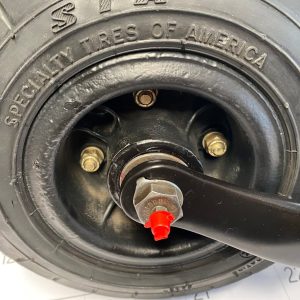
The Scott 3200A Tailwheel – Fully Rebuilt provides aircraft owners, pilots, maintenance facilities, and restoration specialists with a renewed tailwheel solution developed for compatible conventional-gear aircraft. Buyers should request an itemized rebuild summary instead of assuming that every component within the assembly is new.
The Scott 3200A Tailwheel Assembly combines wheel support, directional steering, swiveling capability, and tail-load management within one compact component. A Scott Tailwheel Assembly can develop wear through repeated taxi cycles, landings, vibration, dirt exposure, moisture, poor lubrication, incorrect alignment, or unsuitable adjustment.
A worn or incorrectly configured Aircraft Tailwheel Assembly can contribute to shimmy, poor tracking, binding, excessive swivel, uneven tire wear, or difficult maneuvering. The General Aviation Tailwheel should be selected according to aircraft weight, tail load, wheel size, spring arrangement, steering configuration, runway environment, and installation requirements.
Whether operators are sourcing a Heavy-Duty Aircraft Tailwheel, Tailwheel Aircraft Parts, or Aircraft Steering Tailwheel, condition and documentation should remain central.
Understanding the Scott 3200A Tailwheel
The assembly can respond to normal steering input while allowing broader movement when its internal mechanism releases appropriately. Maintenance personnel should inspect the complete tailwheel arrangement before concluding that one component is responsible for steering difficulty or shimmy.
Scott 3200A Tailwheel Assembly Features
The assembly is intended to withstand repeated ground operation when installed, adjusted, lubricated, and serviced correctly. The exact work completed should be listed clearly because rebuilt assemblies may differ in scope and component replacement.
Scott Tailwheel Assembly Rebuild Process
The rebuilder should evaluate corrosion, cracking, bearing condition, spring strength, steering engagement, axle wear, bushing clearance, and fastener serviceability. A freshly painted assembly may still contain worn bearings, weak springs, excessive clearances, or damaged steering components when no true rebuild was completed.
Aircraft Tailwheel Assembly Operation
Tailwheel condition influences taxi tracking, turning ability, maneuverability, and pilot workload. Weak, broken, or mismatched steering springs may reduce directional response or create irregular control.
Benefits of a General Aviation Tailwheel
Grass, gravel, and dirt can introduce moisture, abrasive particles, vegetation, and debris into moving areas. Professional verification helps prevent unsuitable installation and unnecessary project expense.
Maintaining an Aircraft Tailwheel
A well-maintained Aircraft Tailwheel can support smoother tracking and reduce unnecessary pilot workload. The wheel should rotate smoothly without excessive side play, roughness, binding, or abnormal drag.
Taildragger Ground Handling
A Taildragger Tailwheel assists conventional-gear aircraft with directional control during taxi, takeoff, landing, and ramp maneuvering. Taildragger operation may expose the assembly to side loads during crosswind taxiing, landing corrections, tight turns, and directional-control events.
Aviation Tailwheel System Components
A problem in one area can create symptoms elsewhere in the installation. Springs should remain free from distortion, corrosion, cracking, broken coils, or unsuitable substitution.
Inspecting Tailwheel Steering Components
The mechanism should respond smoothly without sticking, harsh engagement, excessive delay, uncontrolled release, or irregular centering. Correct clearance prevents binding and unnecessary mechanical loading.
Benefits of an Aircraft Ground Handling Tailwheel
Reliable ground handling begins with a serviceable assembly and a correctly adjusted installation. Ground personnel should avoid forcing the aircraft beyond suitable steering limits.
Scott 3200 Series Tailwheel Heritage
The Scott 3200 Series Tailwheel has become familiar within general aviation through its use on numerous conventional-gear aircraft and restoration projects. Model identification should be supported through reliable references and qualified review.
Maintaining a Heavy-Duty Aircraft Tailwheel
A Heavy-Duty Aircraft Tailwheel may be considered for utility, bush, training, agricultural, work-oriented, or backcountry aircraft exposed to demanding ground use. Durability depends on structural condition, bearing service, steering-spring integrity, wheel alignment, lubrication, tire condition, and correct installation.
Maintaining Tailwheel Components
Replacement components should be selected through accurate identification and suitable technical references. Replacing only the most obvious damaged component may not correct the underlying issue.
Aircraft Tailwheel Directional Control
The assembly should respond without excessive delay, harsh engagement, binding, or uncontrolled movement. A complete review supports reliable Aircraft Steering Tailwheel performance.
Buying a Replacement Aircraft Tailwheel
A Replacement Aircraft Tailwheel should be selected through exact aircraft application, mounting details, tail-spring configuration, steering arrangement, and suitable technical information. Rebuild documentation should accompany the assembly when available.
Choosing General Aviation Landing Gear Parts
Each component contributes to aircraft support, ground control, steering, braking, or load absorption. Known limitations and damage should remain clearly disclosed.
Scott 3200A Pre-Purchase Inspection
A detailed inspection reduces uncertainty and supports a more informed transaction.
- Request photographs of the front, rear, sides, wheel, fork, steering arms, mounting area, identification marks, and loose components.
- Arrange professional evaluation when rebuild quality, structural condition, or internal serviceability remains uncertain.
- Confirm the seller’s terms, written invoice, rebuild documents, payment protection, shipping insurance, packaging method, inspection period, and return conditions.
Scott Tailwheel Fitment and Adjustment
Installation should be completed by appropriately qualified personnel familiar with conventional-gear aircraft and mechanical tailwheel steering systems. Swivel engagement, release, centering, and directional action should operate consistently.
Professional follow-up adjustment may be necessary after initial operation.
Routine Tailwheel Inspection and Service
The rebuilt assembly should be inspected according to aircraft use, operating surface, maintenance requirements, and observed condition. Changes in taxi handling should be documented and reported.
Corrosion protection may be especially important in humid, coastal, agricultural, outdoor-storage, or wet operating environments.
Scott 3200A Tailwheel Conclusion
The Scott 3200A Tailwheel – Fully Rebuilt may suit aircraft owners, bush operators, restoration facilities, flight schools, maintenance organizations, and pilots seeking renewed ground-handling performance. Careful technical and more info commercial evaluation can reduce compatibility problems, repeated repairs, project delays, and unexpected costs.
Whether the project involves an Aircraft Ground Handling Tailwheel, Scott 3200 Series Tailwheel, Heavy-Duty Aircraft Tailwheel, or Tailwheel Aircraft Parts, rebuild documentation should be reviewed carefully. With verified compatibility, correct installation, professional steering adjustment, suitable lubrication, and routine inspection, the assembly can provide dependable long-term value.
Report this page